
Classic Korean Bibimbap: A Complete Guide to Korea’s Iconic Mixed Rice Bowl
I still remember the first time I dug into a proper bowl of bibimbap. It was in a tiny spot near Insadong in Seoul, the kind of place where the stone bowl arrives sizzling so loudly you jump a little. One mix with my spoon and everything came together—crispy rice bits, that fiery-sweet gochujang kick, the crunch of fresh vegetables, and a runny egg yolk tying it all in silky harmony. It wasn’t just lunch; it felt like a warm hug from Korean home cooking. If you’ve only tried the simplified versions at fusion spots abroad, you’re missing the soul of this dish. Let’s dive deep into what makes classic Korean bibimbap so special, from its humble roots to how you can recreate it at home.
What Is Classic Korean Bibimbap?
Bibimbap literally translates to “mixed rice” in Korean—”bibim” meaning to mix thoroughly, and “bap” referring to cooked rice. At its heart, it’s a bowl of warm white rice topped with an array of seasoned vegetables (called namul), protein like thinly sliced beef, a fried or raw egg, and a generous dollop of gochujang (Korean red chili paste). You mix everything together right before eating, creating a symphony of textures and flavors in every bite.
This isn’t a fancy, complicated affair. It’s practical, colorful, and deeply satisfying. The classic version balances five colors symbolizing Korean philosophy—white rice, red from gochujang, green from spinach or zucchini, yellow from carrots or egg, and black or brown from mushrooms or sesame seeds. It’s a one-bowl meal that feels complete without needing much else on the table.
The History and Origins of Bibimbap
Bibimbap’s exact birthplace remains a bit of a mystery, which adds to its charm. Scholars trace similar concepts back to the Joseon Dynasty (1392–1910), where leftover banchan (side dishes) from ancestral rites or palace meals got tossed into rice for practicality. The first written recipe-like mention appears in the late 19th-century cookbook Siuijeonseo, referring to it as “bubimbap” or variations like goldongban, meaning a messy mix.
Some stories link it to farmers during harvest season, needing a quick, nourishing meal for large groups using whatever was on hand. Others suggest it evolved from jesa (ancestral offering) rituals, where offerings were mixed and shared afterward. Regional twists emerged naturally—no single inventor, just generations of resourceful cooks adapting to seasons and local ingredients. By the 20th century, it had become a beloved everyday staple, later gaining global fame as Korean culture spread.
I once chatted with an older Korean auntie in Jeonju who laughed about how her grandmother made it with whatever vegetables survived the winter. That resourcefulness is baked into the dish’s DNA.
Key Ingredients in Authentic Bibimbap
The beauty of classic bibimbap lies in its flexibility, but traditional versions stick to a core set that delivers balance. Short-grain rice forms the fluffy yet slightly sticky base. Namul—seasoned vegetables—provide the rainbow: blanched spinach with sesame oil and garlic, julienned carrots sautéed until tender-crisp, cucumber slices lightly salted and dressed, bean sprouts, shiitake mushrooms, and sometimes zucchini or Korean radish (mu).
Protein usually means bulgogi-style marinated beef, thinly sliced and quickly cooked. A sunny-side-up egg or raw yolk crowns it for richness. The star sauce is gochujang, fermented chili paste that brings sweet, spicy, umami depth—often mixed with sesame oil, sugar, vinegar, and garlic for the perfect drizzle. Toasted sesame seeds and gim (seaweed) flakes add nutty crunch.
Don’t skimp on quality here. Fresh vegetables keep their vibrant colors and textures, while good gochujang (look for brands with fermented soybeans and glutinous rice) makes or breaks the flavor.
Common Namul Vegetables and Their Prep
- Spinach: Blanch quickly, squeeze dry, season with sesame oil, garlic, soy sauce.
- Carrots: Julienne and sauté lightly in sesame oil with a pinch of salt.
- Bean Sprouts: Blanch and toss with sesame seeds and salt.
- Cucumber: Slice thin, salt to draw out water, then rinse and season.
- Mushrooms: Sauté shiitake or oyster varieties until golden.
Each gets prepared separately so flavors stay distinct until that final glorious mix.
Step-by-Step Classic Bibimbap Recipe
Making bibimbap at home feels rewarding once you get the rhythm. Start with 2 cups of cooked short-grain rice per serving, kept warm. Prepare your namul in batches—they store well in the fridge for days, making this a great meal-prep dish.
For the beef: Marinate 200g thinly sliced ribeye or sirloin in soy sauce, sugar, sesame oil, garlic, and a grated Asian pear (for tenderness) for 30 minutes, then stir-fry quickly.
The sauce: Mix 2 tablespoons gochujang, 1 tablespoon sesame oil, 1 teaspoon sugar, 1 teaspoon vinegar, minced garlic, and sesame seeds. Adjust heat to your liking.
Assemble in a bowl: Rice at the bottom, arrange namul and beef in colorful sections like a jewel box, top with a fried egg. Add sauce on the side or dollop in the center. Serve with extra sesame oil for drizzling.
To eat: Stir everything vigorously until the rice turns slightly reddish and creamy from the sauces and yolk. The magic happens in that mix—hot, cold, crunchy, soft all at once.
I once messed up by overcooking the veggies into mush. Lesson learned: Keep them vibrant and separate until serving.
Dolsot Bibimbap: The Sizzling Stone Bowl Version
For a restaurant-style upgrade, try dolsot bibimbap. The “dolsot” is a heavy stone bowl preheated with sesame oil until smoking hot. Add rice, press it down, then arrange toppings. The rice develops a delicious crispy crust (nurungji) at the bottom as everything sizzles.
It’s dramatic—the bowl arrives crackling, and you mix fast to avoid burning the rice. Many Seoul spots specialize in this; the heat intensifies flavors and keeps the meal piping hot. At home, a cast-iron skillet can approximate it, though true dolsot holds heat better.
Pros of dolsot: Crispy texture, dramatic presentation, stays hot longer.
Cons: Requires special bowl (available online), higher risk of overcooking if you’re not quick.
Regional Variations of Bibimbap Across Korea
Korea being Korea, bibimbap changes by region, reflecting local produce and tastes.
- Jeonju Bibimbap: Often considered the gold standard, from the food capital. It features more elaborate toppings, sometimes raw beef (yukhoe) or extra bean sprouts, and is famously served with a raw egg yolk. Glutinous rice adds extra chew.
- Jinju or Tongyeong styles: Lean toward seafood influences, with fresh fish or oysters.
- Haeju (North Korean influence): Heavier on pork and seasoned with soy-based sauces rather than gochujang.
- Mountain or rural versions: Emphasize wild greens, mushrooms, and doenjang (soybean paste) for earthier flavors.
Jeonju’s version won my heart during a trip there—the balance felt perfect, like each ingredient had its own spotlight before the mix. Experiment based on what’s fresh in your market.
Nutritional Profile and Health Benefits of Bibimbap
A typical serving (around 450-500g) clocks in at about 500-600 calories, with 25-30g protein, 60-80g carbs, and 10-15g fat. It’s nutrient-dense thanks to the vegetables: spinach delivers iron and vitamin K, carrots provide vitamin A, bean sprouts add folate and fiber. The fermented gochujang and namul contribute probiotics and antioxidants.
Health perks include balanced macros for sustained energy, high fiber for digestion, and potential anti-inflammatory benefits from fermented elements. It’s lighter than many Western rice bowls and adaptable—swap beef for tofu for a vegan take. Studies suggest rice-based Korean meals like this can have a lower glycemic impact compared to similar Western dishes.
That said, portion the gochujang if sodium is a concern, and enjoy it as part of a varied diet.
How to Make Bibimbap Sauce at Home
The sauce isn’t just heat—it’s the glue. A classic mix: 4 parts gochujang, 2 parts sesame oil, 1 part sugar or honey, 1 part vinegar, garlic, and sesame seeds. Some add a splash of soy sauce for depth or mirin for subtle sweetness.
Store-bought gochujang works fine, but homemade fermented versions develop more complex umami over time. Taste as you go; it should be spicy, sweet, tangy, and savory all at once. I like making a big batch—it keeps in the fridge for weeks and elevates everything from grilled chicken to plain rice.
Tools and Equipment Needed for Perfect Bibimbap
You don’t need a full Korean kitchen, but a few items help:
- Sharp knife or mandoline for uniform vegetable cuts.
- Heavy-bottomed pan or wok for quick stir-frying.
- Stone bowl (dolsot) for authenticity—preheat properly.
- Rice cooker for consistently fluffy short-grain rice.
For beginners, start simple with a regular bowl. Once hooked, invest in the stoneware—it’s reusable and adds that signature crunch.
Common Mistakes to Avoid When Making Bibimbap
Overcrowding the pan when sautéing namul leads to steaming instead of proper seasoning. Don’t skip salting and squeezing moisture from cucumbers or zucchini—soggy veggies ruin the texture. Mixing too early makes everything limp; arrange beautifully first.
Another pitfall: Using long-grain rice, which doesn’t hold up to mixing. And under-seasoning each component separately—each namul needs its own touch of sesame oil and garlic.
I once served it cold by accident. Never again—the warmth brings out the aromas.
Bibimbap vs. Similar Dishes: A Quick Comparison
Bibimbap stands out from other Korean favorites:
- Vs. Bulgogi: Bulgogi is grilled marinated beef served separately with lettuce wraps. Bibimbap incorporates similar beef but mixes it into a complete meal.
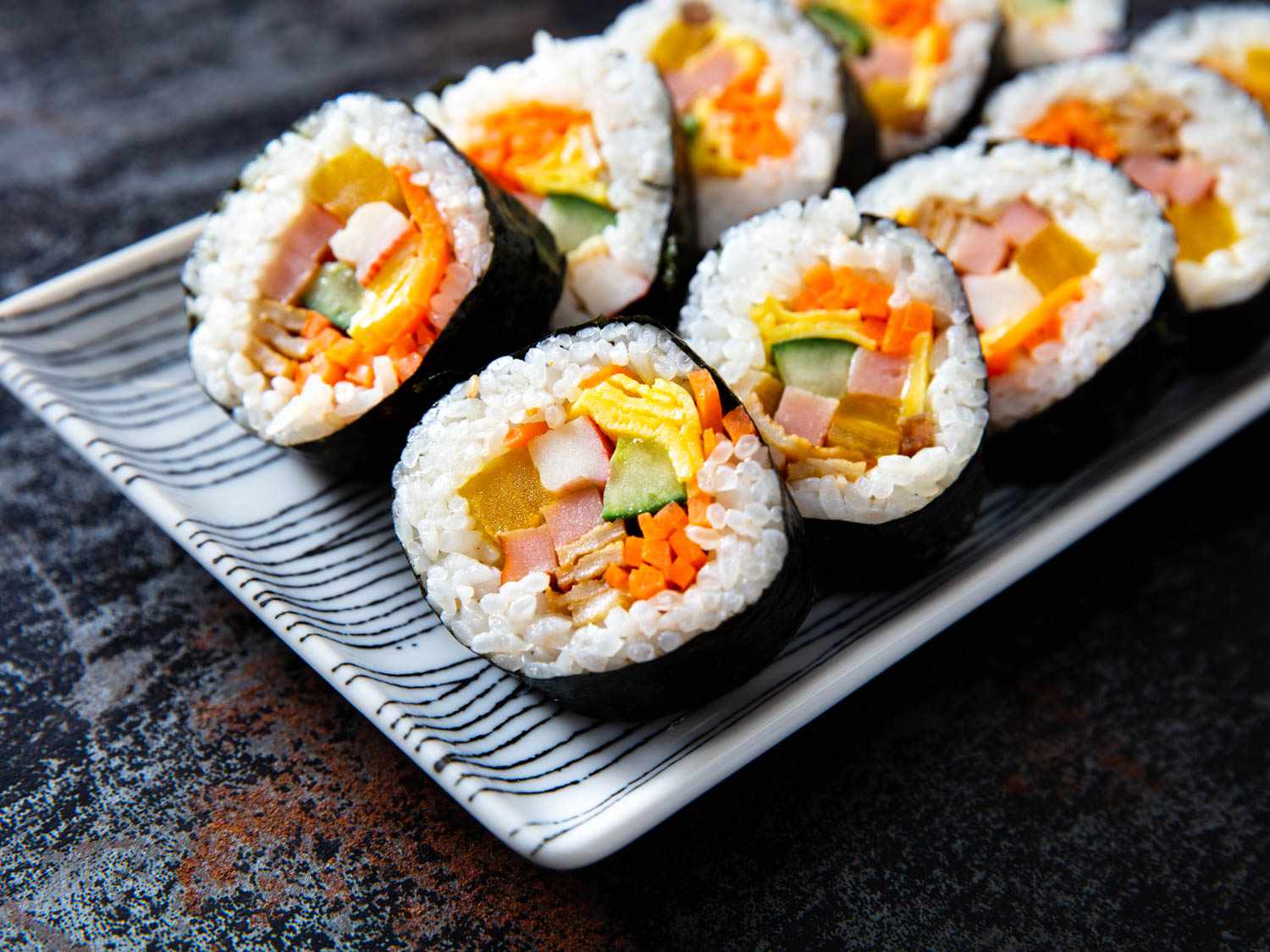
- Vs. Kimbap: Kimbap is rolled like sushi with rice, veggies, and protein inside seaweed. Bibimbap is loose and mixed in a bowl—more casual, less structured.
- Vs. Hoedeopbap: This seafood rice bowl uses raw fish instead of beef or egg, lighter and often with wasabi-like elements.
| Aspect | Bibimbap | Bulgogi | Kimbap |
|---|---|---|---|
| Format | Mixed bowl | Grilled meat + sides | Rolled seaweed |
| Key Flavor | Gochujang + sesame | Sweet soy marinade | Sesame + pickled veg |
| Best For | One-bowl meal | BBQ sharing | On-the-go snack |
| Customization | High (veggies/protein) | Moderate | Moderate |
Bibimbap wins for versatility and balance in my book.
Where to Find the Best Bibimbap in Korea and Abroad
In Korea, head to Jeonju for the most celebrated versions. In Seoul, spots like Gogung in Insadong or Mokmyeoksanbang near Namsan offer excellent dolsot bibimbap with quality ingredients. Local chains or market stalls often deliver authentic, no-frills versions at affordable prices.
Abroad, seek Korean-owned restaurants that prepare namul fresh rather than pre-packaged. Look for places emphasizing regional styles or offering customizable bowls. In many cities, food halls or K-food trucks do solid takes—ask if they use real gochujang.
People Also Ask (PAA) About Classic Korean Bibimbap
Is bibimbap healthy?
Yes, especially when loaded with vegetables and lean protein. It’s balanced, fiber-rich, and lower in processed ingredients than many fast foods, though watch sodium from sauces.
Can I make vegetarian or vegan bibimbap?
Absolutely. Swap beef for tofu, mushrooms, or tempeh. Use a plant-based egg alternative or omit it. The vegetables and gochujang carry the flavor beautifully.
What’s the difference between bibimbap and dolsot bibimbap?
Regular is served in a standard bowl at warm temperature. Dolsot uses a hot stone bowl for crispy rice and sustained heat.
How spicy is traditional bibimbap?
It depends on the gochujang amount. Classic has a noticeable kick but isn’t overwhelmingly hot—you control it by adjusting the sauce.
What rice is best for bibimbap?
Short-grain or medium-grain Korean/Japanese rice (like sushi rice). It clumps slightly for better mixing without turning mushy.
FAQ: Your Bibimbap Questions Answered
How long does homemade bibimbap last in the fridge?
Prepared namul and cooked components keep 3-4 days separately. Assembled bowls are best eaten fresh, though leftovers reheat decently (add a splash of water to revive rice).
Can beginners master bibimbap quickly?
Yes! Focus on prepping vegetables one by one. The mixing step forgives minor imperfections. Start with 4-5 toppings and build from there.
What’s a good substitute for gochujang?
A mix of sriracha, miso paste, honey, and a touch of smoked paprika approximates the fermented depth, though it’s not identical.
Is raw egg safe in bibimbap?
In traditional Jeonju styles, raw yolk is common, but use pasteurized eggs if concerned about food safety. Fried eggs work great for most people.
How do I make it less spicy for kids or sensitive palates?
Reduce gochujang and boost sesame oil or a mild doenjang. Add more sweet elements like honey in the sauce.
Classic Korean bibimbap isn’t just food—it’s a celebration of harmony, resourcefulness, and bold flavors that bring people together. Whether you’re recreating it in your kitchen on a busy weeknight or hunting down the perfect bowl on a trip to Korea, it delivers comfort with every colorful mix. Grab your spoon, dive in, and enjoy the ride. Your taste buds (and maybe your fridge leftovers) will thank you.